SURFACE FINISHING SERVICE
All eight processes in one plant — color, gloss and texture, one team to answer to.
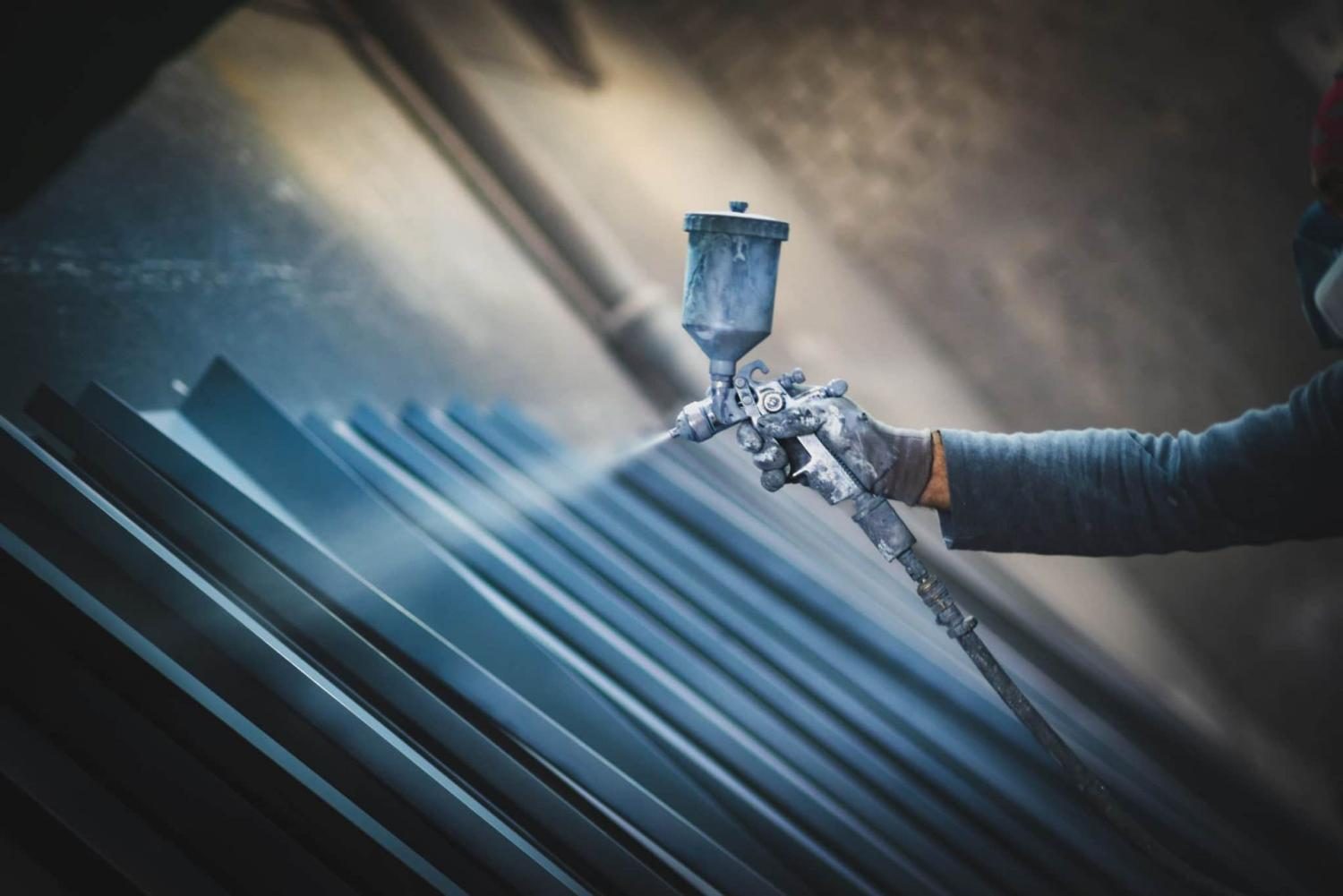
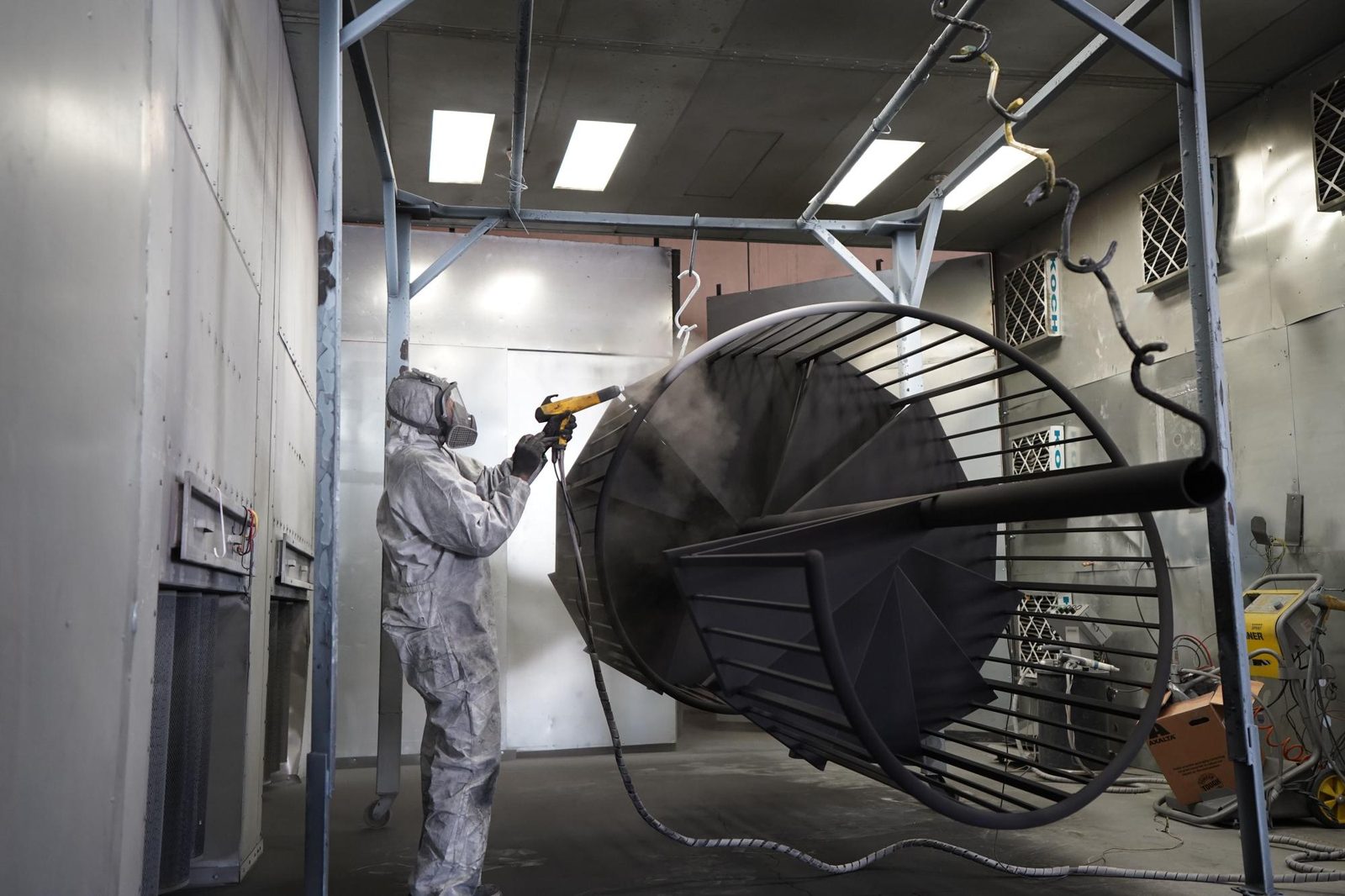
Anodizing, bead blasting, painting, E-coat, plating, screen printing, laser engraving and crackle effects — and other complex multi-step combinations can all be covered; our engineers pick the process combination by part material, use environment and appearance grade, and give cost and lead-time comparison at the quoting stage — no supplier-puzzle for the customer.
ProcessesAnodizing (decorative/hard), bead blast (matte grit options), paint (matte/gloss/metal/rubber), E-coat, plating (Zn/Ni/Cr etc.), screen print, laser engraving, crackle & multi-step combos
ScopePre-treatment (degrease/acid/passivate) → coat/plate → post (seal/bake/cure) → inspection, all in-plant
RhythmSingle process 2–3 days, multi-step 4–6 days; synced with machining schedule, no extra queue
TagsAnodizing, bead blast, paint, E-coat, plating, screen print, laser engraving, crackle
Best for · machined + finished cosmetic parts, multi-process combinations, time-critical projects
APPEARANCE CONTROL
Color to master plate, appearance graded by zone — “what you see is what you get”.
Color follows the customer master, Pantone/RAL number or a mutually signed sample; ΔE and 60° gloss value go into the inspection record item by item. Appearance is graded A/B/C by zone, with limit samples signed by both parties and filed. Cross-batch color is controlled by retained samples and re-inspection, so reorders still match the first signed sample — the “this batch differs from that one” fear on branded-color parts is backed by a system, not a promise.
Color basisCustomer master / Pantone / RAL / signed plate; reorders rechecked against retained samples
Color & glossSame-batch ΔE ≤ 1.0, cross-batch ΔE ≤ 1.5; 60° gloss per spec ±5 GU
GradingA/B/C zone grading + signed limit samples; key surfaces inspected under 40W light, 30–50 cm
ArchiveMaster plates, limit samples, first-article photos filed by batch, cross-batch traceable
Best for · consumer-electronics cosmetic parts, branded-color parts, cross-batch reorders, sign-off customers
FUNCTIONAL SURFACE
Finishing is more than looks — film thickness, adhesion and salt spray ship with data.
Beyond cosmetics, every batch clears functional verification to spec: anodic film thickness and sealing quality, coating adhesion cross-cut and pencil hardness, E-coat and plating thickness, neutral salt spray and abrasion cycles — key items carry measured records delivered with the goods. Surface capability thus becomes verifiable and re-checkable, not a slogan on a marketing page; when customers re-inspect on arrival, our data matches their test protocol.
ThicknessDecorative anodize 8–15 μm, hard anodize 25–50 μm; E-coat 15–25 μm; plated layer per spec, XRF measured
Adhesion & hardnessCross-cut grade 0, pencil ≥2H (by coating system); cross-hatch/tape per GB/T 9286
Corrosion & wearNeutral salt spray 24–96 h no corrosion (per spec); silk & coating RCA abrasion/tape test
DeliverablesFilm, ΔE, gloss, adhesion, salt-spray records shipped; re-checkable by batch
Best for · outdoor & humid parts, high-touch wiped parts, abrasion/corrosion-critical parts, customers re-inspecting in-house
CLEANROOM NICHE
Anti-static, low outgassing, non-shedding — surfaces that belong in a cleanroom.
Semiconductor and cleanroom surfaces face completely different demands than consumer goods: against wafer processes and clean environments, they need anti-static, low outgassing, no particle shedding and tolerance of repeated cleaning-solution wiping. We provide ESD anti-static coating (controlled surface-resistance range), low-outgassing coating selection, hard anodize wear surfaces and stainless electropolish + passivation, delivered with surface resistance, outgassing and cleanroom-fit validation records — closing the loop with the sheet-metal cleanroom capability, frame and surface done right by one team the first time.
ESDESD coating surface resistance 10⁶–10⁹ Ω controlled, measured per batch
Cleanroom fitLow-outgassing coating (ASTM E595 basis), dense non-shedding surface, IPA & cleaning-wipe resistant
Wear & corrosionHard anodize / electroless nickel wear surfaces, stainless electropolish + passivation, handling-resistant
PartsChamber liner parts, wafer-handling arms, equipment panels & frames, cleanroom racks & hangers
DeliverablesSurface resistance, film thickness, salt spray & cleanroom-fit records shipped with batch traceability
Best for · semiconductor tools, panel-display equipment, cleanroom instruments & automation-line customers